
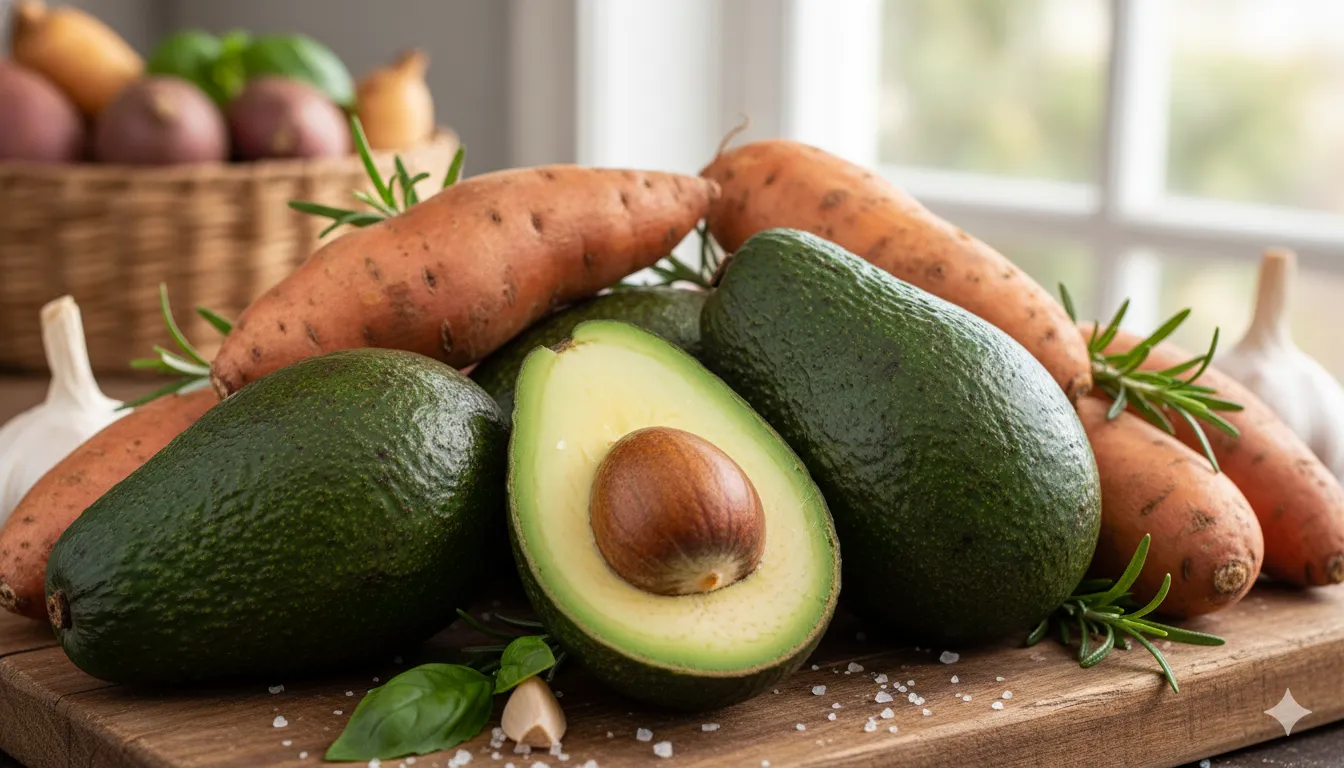
When you are diagnosed with high blood pressure, the first piece of advice you usually hear is to ‘cut back on the salt.’ While reducing sodium is an important step for cardiovascular health, focusing solely on salt deprivation makes meals bland and is often difficult to sustain long-term. What if there was a better, more delicious way to manage your hypertension? Enter potassium.
This powerful essential mineral acts as a natural antidote to sodium. The American Heart Association consistently recommends increasing dietary potassium for adults with above-normal blood pressure, yet many people still hyper-focus on the salt shaker. Let’s dive into why potassium is your heart’s best friend and explore 12 high-potassium foods that can help you lower your blood pressure naturally and effectively.
Why Potassium is the Secret Weapon Against High Blood Pressure
To understand why potassium is so vital, it helps to understand how sodium affects the body. When you consume too much salt, your body holds onto extra water to wash the salt from your system. This added water increases the overall volume of your blood, which in turn increases the pressure on your blood vessel walls—much like turning up the water pressure in a garden hose. Over time, this elevated pressure can damage your arteries and increase your risk for heart disease and stroke.
Potassium works in direct opposition to sodium. It operates through a cellular mechanism known as the sodium-potassium pump. When you eat foods rich in potassium, it signals your kidneys to excrete more sodium through your urine. In essence, potassium acts as a natural diuretic. Furthermore, potassium helps ease the tension in the walls of your blood vessels. Relaxed blood vessels mean less resistance for your heart to pump against, leading to a natural drop in blood pressure. The combination of flushing out sodium and relaxing the vascular system makes potassium a non-negotiable component of a heart-healthy diet.
Here are 12 delicious, high-potassium foods to add to your grocery list.
1. Avocados: The Creamy Heart-Healer
Avocados are not just for trendy artisan toast. Half of a medium avocado contains about 345 milligrams of potassium. That is a significant chunk of your daily needs. Furthermore, avocados are rich in heart-healthy monounsaturated fats and dietary fiber, which help reduce cholesterol levels and keep you feeling full. Replace standard mayonnaise with mashed avocado on your sandwiches, or blend a quarter of an avocado into your morning smoothie to give your heart a double boost of nutrition.
2. Sweet Potatoes: The Colorful Powerhouse
When it comes to potassium, sweet potatoes easily outrank regular potatoes and even bananas. One medium-sized sweet potato, baked with its skin on, contains a whopping 540 milligrams of potassium. They are also loaded with beta-carotene, vitamin C, and fiber. Try roasting them with a dash of smoked paprika, cumin, or cinnamon instead of salt. They make a fantastic, nutrient-dense side dish for almost any dinner.
3. Spinach: The Leafy Green Giant
Popeye was right to love spinach, though maybe he should have eaten it for his blood pressure. One cup of cooked spinach delivers roughly 840 milligrams of potassium. Leafy greens like spinach also contain dietary nitrates, which have been shown to relax blood vessels and improve blood flow. Toss fresh spinach into your morning eggs, blend it into a green juice, or lightly saute it with minced garlic and a drizzle of olive oil.
4. Watermelon: The Hydrating Hero
Nothing beats the refreshing crunch of watermelon on a hot summer day. Two wedges of watermelon provide around 640 milligrams of potassium. Beyond its potassium content, watermelon is a fantastic source of citrulline. This amino acid helps the body produce nitric oxide, a gas that relaxes blood vessels and encourages flexibility in your arteries, making it incredibly beneficial for hypertension management.
5. White Beans: The Fiber-Rich Legume
Beans are an incredibly versatile, shelf-stable, and affordable superfood. Just one cup of cooked white beans packs an astonishing 1,000 milligrams of potassium. That is nearly a third of your recommended daily intake in a single serving! They are also packed with plant-based protein and fiber, keeping your digestion regular and helping to manage blood sugar spikes. Add white beans to your favorite soups, stews, or mix them into a vibrant Mediterranean salad.
6. Bananas: The Classic Potassium Snack
We cannot talk about potassium without mentioning the famous banana. One medium banana provides about 420 milligrams of potassium. They are nature’s ultimate fast food—pre-packaged in their own peel, easy to eat on the go, and perfectly sweet. Slice a banana over your morning oatmeal or cereal to start your day with a heart-healthy, low-sodium choice.
7. Beets: The Earthy Root Vegetable
Beets are a dual-action blood pressure lowerer. One cup of cooked beets offers around 520 milligrams of potassium. Much like spinach, beets are incredibly high in natural dietary nitrates. Clinical studies have repeatedly shown that drinking pure beet juice or eating roasted beets can significantly lower blood pressure in just a matter of hours. Roast them with a balsamic glaze for a sweet and savory treat.
8. Swiss Chard: The Nutrient-Dense Green
If you are tired of standard spinach and kale, give Swiss chard a try. One cup of cooked Swiss chard boasts almost 1,000 milligrams of potassium, making it one of the most potassium-dense foods you can eat. Its slightly bitter taste mellows out beautifully when sauteed with olive oil and a bright splash of lemon juice. It is also packed with essential vitamins A, C, and K.
9. Edamame: The Plant-Protein Star
Edamame, or young steamed soybeans, are a popular appetizer at Japanese restaurants, but they should absolutely be a staple in your home kitchen too. One cup of edamame contains nearly 680 milligrams of potassium. They are an excellent source of complete plant-based protein and magnesium, another crucial mineral known to help lower blood pressure and relax muscles.
10. Butternut Squash: The Winter Wonder
This sweet, nutty winter squash is a potassium heavyweight. One cup of cubed, roasted butternut squash provides almost 580 milligrams of potassium. It is also a great, lower-carb substitute for heavier, starchier sides. Blend roasted butternut squash into a comforting, velvety autumn soup, or toss it with sage and olive oil for a savory, warming dinner side.
11. Pomegranate: The Antioxidant Jewel
Pomegranates are as beautiful as they are nutritious. One whole pomegranate contains roughly 660 milligrams of potassium. They are also bursting with polyphenols, which are powerful antioxidants that reduce systemic inflammation and protect the cardiovascular system. Enjoy the tart, crunchy arils (seeds) as a midday snack, toss them over a salad, or drink a glass of 100 percent pure, no-sugar-added pomegranate juice.
12. Potatoes: The Misunderstood Staple
Regular white potatoes often get a bad reputation due to their association with deep-fried French fries and greasy potato chips. However, when prepared healthfully—baked or boiled with the skin on—a medium potato offers around 610 milligrams of potassium. The key is in the preparation. Skip the deep fryer and heavy, salted butter. Instead, opt for heart-healthy toppings like plain Greek yogurt, fresh chives, and a sprinkle of black pepper.
Conclusion: Balance is Key for Heart Health
While reducing your overall sodium intake remains an important part of managing hypertension, it is truly only half of the equation. By enriching your daily diet with these 12 high-potassium foods, you are actively helping your body process and eliminate excess sodium while naturally relaxing your blood vessels.
However, before making any drastic changes to your diet, especially significantly increasing your potassium intake, it is absolutely crucial to consult with your primary healthcare provider or a registered dietitian. This is particularly important if you have chronic kidney disease or are taking certain blood pressure medications (like ACE inhibitors or potassium-sparing diuretics), as your body may struggle to process excess potassium safely.
Start small, focus on incorporating more colorful whole foods into your meals, and enjoy the flavorful, vibrant journey to better heart health!
[…] you need is cabbage, salt, and a little patience. Shred the cabbage, massage it with salt, and pack it into a jar. Weigh it […]