
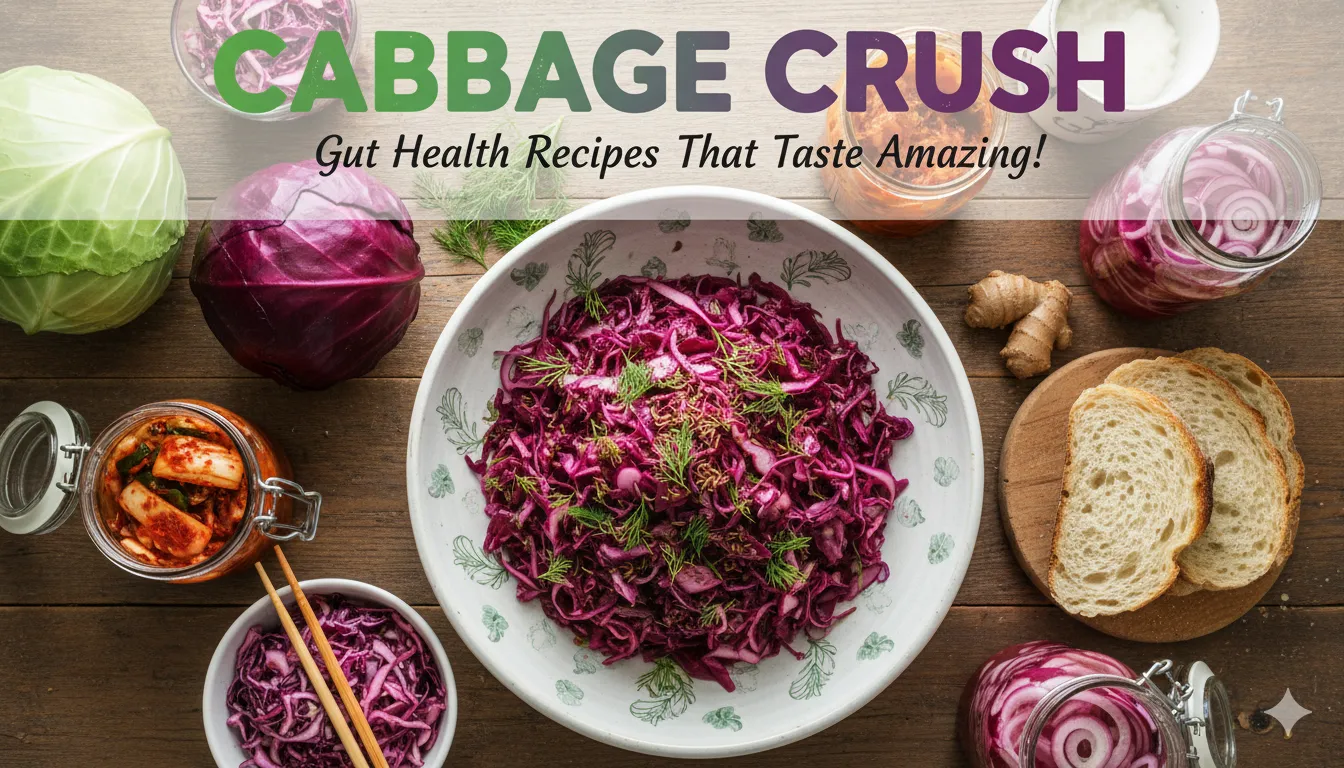
Craving something that’s both delicious and good for you? You’re not alone! Get ready to meet the “Cabbage Crush,” the gut-health trend that’s taking the US by storm, one delicious bite at a time. Forget boring salads – we’re talking about cabbage recipes so good, you’ll actually crave them.
Why Cabbage is the Unsung Hero of Gut Health
Cabbage. It’s probably sitting in your fridge right now, patiently waiting to be transformed from humble veggie to culinary star. But beyond its affordability and availability, cabbage packs a serious nutritional punch, especially when it comes to your gut. Why is it so good for you? Let’s dive in.
The Fiber Factor: Your Gut’s Best Friend
Cabbage is loaded with fiber, both soluble and insoluble. Think of fiber as the tiny scrub brushes that keep your digestive system squeaky clean. Soluble fiber helps regulate blood sugar and lower cholesterol, while insoluble fiber adds bulk to your stool, preventing constipation and keeping things moving smoothly.
Probiotics Powerhouse: Feeding Your Good Bacteria
Fermented cabbage, like sauerkraut and kimchi, is a probiotic powerhouse. These fermented wonders are teeming with beneficial bacteria that help diversify your gut microbiome. A healthy gut microbiome is linked to everything from improved digestion and a stronger immune system to better mood and even clearer skin. Time to get fermenting!
Anti-Inflammatory All-Star: Soothing Your Gut
Cabbage contains compounds like glucosinolates and anthocyanins, which have potent anti-inflammatory properties. Chronic inflammation can wreak havoc on your gut, leading to issues like leaky gut syndrome and irritable bowel syndrome (IBS). Cabbage helps soothe inflammation and protect your gut lining.
Cabbage Crush Recipes: From Slaws to Soups
Okay, so we’ve established that cabbage is amazing for your gut. But how do you actually make it taste good? Don’t worry, we’ve got you covered with a variety of “Cabbage Crush Recipes” that are both delicious and easy to make.
Crunchy Cabbage Slaws: A Summertime Staple
Forget mayo-laden, bland slaws. We’re talking about vibrant, flavorful slaws that will become your new go-to side dish.
Tangy Asian-Inspired Slaw
This slaw is bursting with flavor, thanks to a combination of soy sauce, rice vinegar, ginger, and sesame oil. Simply shred some green cabbage, carrots, and red bell pepper, then toss with the dressing. Add some toasted sesame seeds and chopped green onions for extra crunch and flavor.
Zesty Lime and Cilantro Slaw
This slaw is perfect for tacos, grilled chicken, or fish. Combine shredded green cabbage with chopped cilantro, lime juice, olive oil, and a pinch of salt and pepper. For a little heat, add a finely diced jalapeño.
Warm and Comforting Cabbage Soups: Perfect for Cozy Nights
Nothing beats a warm bowl of soup on a chilly evening. And cabbage soup is not only comforting but also incredibly nutritious.
Classic Cabbage and Sausage Soup
This hearty soup is packed with flavor and nutrients. Sauté some diced onion, carrots, and celery, then add sliced sausage (kielbasa or Italian sausage work well). Add shredded cabbage, diced tomatoes, chicken broth, and your favorite herbs and spices. Simmer until the cabbage is tender.
Creamy Cabbage and Potato Soup
For a vegetarian option, try this creamy and comforting soup. Sauté diced onion and garlic, then add diced potatoes, shredded cabbage, and vegetable broth. Simmer until the potatoes are tender. Puree the soup with an immersion blender until smooth and creamy. Season with salt, pepper, and a dollop of sour cream or plain yogurt.
Fermented Cabbage Delights: Sauerkraut and Kimchi
Ready to take your cabbage game to the next level? Try making your own sauerkraut or kimchi. It’s easier than you think!
Homemade Sauerkraut
All you need is cabbage, salt, and a little patience. Shred the cabbage, massage it with salt, and pack it into a jar. Weigh it down with a fermentation weight and let it sit at room temperature for a few weeks. The beneficial bacteria will do their magic, transforming the cabbage into tangy, probiotic-rich sauerkraut.
Spicy Kimchi
Kimchi is a Korean staple made from fermented cabbage and a variety of spices. While the ingredient list may seem intimidating, the process is actually quite simple. Combine shredded cabbage with gochugaru (Korean chili powder), garlic, ginger, fish sauce, and other seasonings. Let it ferment at room temperature for a few days, then store it in the refrigerator.
Cabbage Crush: Addressing Your Burning Questions
Still have questions about the “Cabbage Crush”? We’ve got answers!
Is cabbage good for weight loss?
Absolutely! Cabbage is low in calories and high in fiber, making it a great addition to any weight loss plan. The fiber helps you feel full and satisfied, reducing cravings and preventing overeating.
Can cabbage cause bloating?
For some people, cabbage can cause bloating due to its high fiber content and the presence of raffinose, a complex sugar that can be difficult to digest. However, cooking cabbage can help break down the raffinose and reduce bloating. Fermented cabbage, like sauerkraut, is also easier to digest.
What are the best ways to cook cabbage to retain its nutrients?
Steaming, stir-frying, and fermenting are all excellent ways to cook cabbage while preserving its nutrients. Avoid overcooking cabbage, as this can destroy some of the vitamins and minerals.
Are there any side effects of eating too much cabbage?
Eating excessive amounts of cabbage can lead to gas, bloating, and digestive discomfort. If you’re not used to eating a lot of fiber, start slowly and gradually increase your intake.
How does cabbage compare to other leafy greens in terms of nutritional value?
While all leafy greens are good for you, cabbage offers a unique combination of nutrients. It’s particularly high in vitamin C, vitamin K, and folate. Cabbage also contains glucosinolates, which have been shown to have anti-cancer properties.
Here’s a quick comparison table:
| Nutrient | Cabbage (1 cup, shredded) | Spinach (1 cup, raw) | Kale (1 cup, raw) |
|---|---|---|---|
| Calories | 22 | 7 | 33 |
| Fiber | 2 grams | 0.7 grams | 2.5 grams |
| Vitamin C | 54% DV | 14% DV | 134% DV |
| Vitamin K | 85% DV | 145% DV | 684% DV |
DV = Daily Value
Can I eat cabbage if I have IBS?
Some people with IBS find that cabbage triggers their symptoms, while others tolerate it well. It’s best to experiment and see how your body reacts. Cooked cabbage is generally easier to digest than raw cabbage. Start with small portions and gradually increase your intake. Fermented cabbage, like sauerkraut, may also be beneficial for some people with IBS, as the probiotics can help improve gut health.
Embrace the Cabbage Crush Today!
So, there you have it – the “Cabbage Crush” is more than just a trend. It’s a delicious and easy way to improve your gut health and overall well-being. From crunchy slaws to comforting soups, there’s a cabbage recipe out there for everyone. So, what are you waiting for? Head to your local grocery store, grab a head of cabbage, and start crushing it in the kitchen!
Ready to try some of these “Cabbage Crush Recipes” yourself? Share your creations with us on social media using #CabbageCrush! We can’t wait to see what you come up with. And don’t forget to share this post with your friends and family who are looking for delicious and healthy ways to boost their gut health. Happy cooking!