

Over the Independence Day weekend, I learned a little bit of American history that I had never heard of before. I learned about the Freedom Flyer. Have you heard of this? This is the name given to the metal eagle ornament that you will often see on American homes hanging either above the front door or over the garage door.
These aren’t as popular as they once were, but I have seen plenty of them in my lifetime. Honestly, I never really gave them much thought. I always thought it was just a piece of Americana — a patriotic symbol. After all, our national bird is the bald eagle. It was adopted on the Great Seal of the United States in 1782, after several design attempts beginning right after the Declaration of Independence.
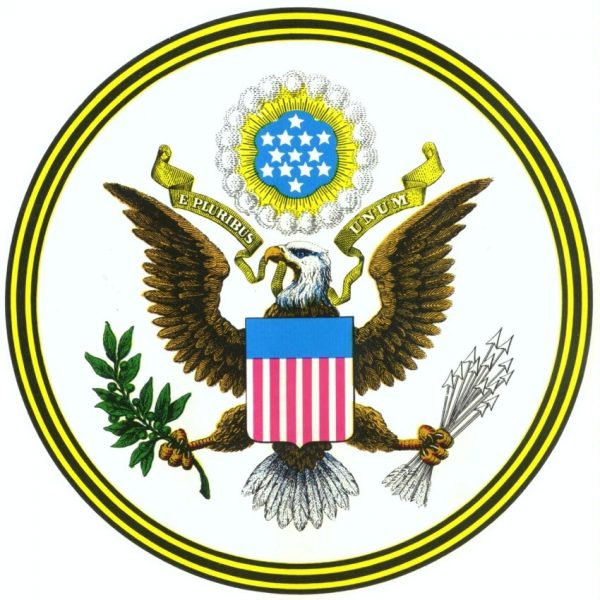
According to the National Archives website, “Just a few hours after the Declaration of Independence was adopted by the Continental Congress on July 4, 1776, the first committee to design a seal for the United States was appointed, and its design began. After undergoing numerous changes, on June 20, 1782, the seal was officially adopted by the Continental Congress.” From there, the eagle became a standard American symbol of independence, strength, national identity, and the Republic. Eagles are on everything from the presidential seal, government buildings, our money, and the list goes on and on. In early American and Federal-style architecture, eagles appeared in pediments, mantels, gates, signs, furniture, and over doorways as patriotic ornament.
But over the last few days, I’ve seen these metal eagle ornaments referred to as a “freedom flyer”. I had never heard this name before, so this was new to me. And I saw people speaking of a very specific meaning that this ornament had in the 1940’s and 1950’s, so I did a little digging to find more information.
As it turns out, after World War II, homeownership expanded greatly in America after service members returned from the war and took advantage of the Servicemen’s Readjustment Act of 1944 (the G.I. Bill), with over four million home loans being granted under this program. About 20% of all new homes built after the war were purchased by veterans. And as families paid off their mortgages, they would hang an eagle above their door to symbolize that the home belonged to them and they were no longer in debt to the bank. It was a symbol of being mortgage-free. So during the 1940s and 1950s, the eagle had a dual meaning. It was a patriotic symbol — a symbol of our nation. But it was also a symbol of personal freedom — freedom from debt.
As I was reading about this meaning, it dawned on me that I have one of these! A “freedom flyer” hung above my paternal grandparents’ garage doors. And when my grandmother died and my aunts and uncles were trying to clear out her house, they invited all of us grandchildren over to see if we wanted anything. By the time I was able to go over there, all of the “good stuff” had been claimed (which I was perfectly fine with me, to be honest), but I did want at least a small thing from their home. And I happened to see the eagle from their garage still there. No one had claimed it, so I took it home.
I didn’t have any plans for it, and in the intervening years, it has been shuffled from room to room, box to box. I thought I might hang it in a corner of my workshop or something like that, but I didn’t really give it much thought beyond that. It was nothing more than a bit of memorabilia from my grandparents’ home that would potentially be packed away in a box for the rest of my life.
But after reading about this unique history, and after all of these years that I’ve held onto this, it made me a little more excited to be the owner of my grandparents’ “freedom flyer”. So I decided to dig it out of storage and dust it off. I didn’t measure it, but I’d guess it’s about 18 inches wide and made of cast iron.
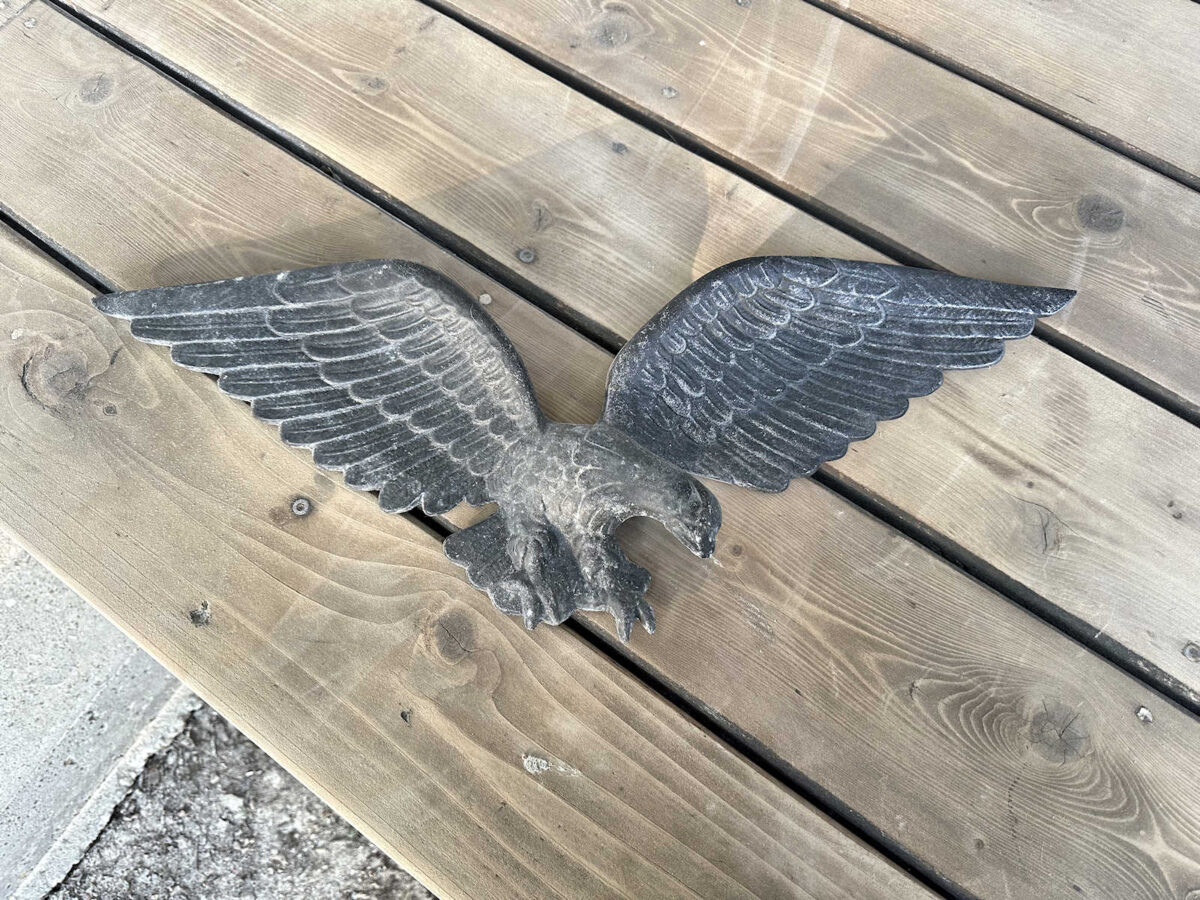
And now I really want to find a place for it on the front of our house. Unfortunately, there’s not enough space for it above our front door since the ceiling of our front porch is so low.
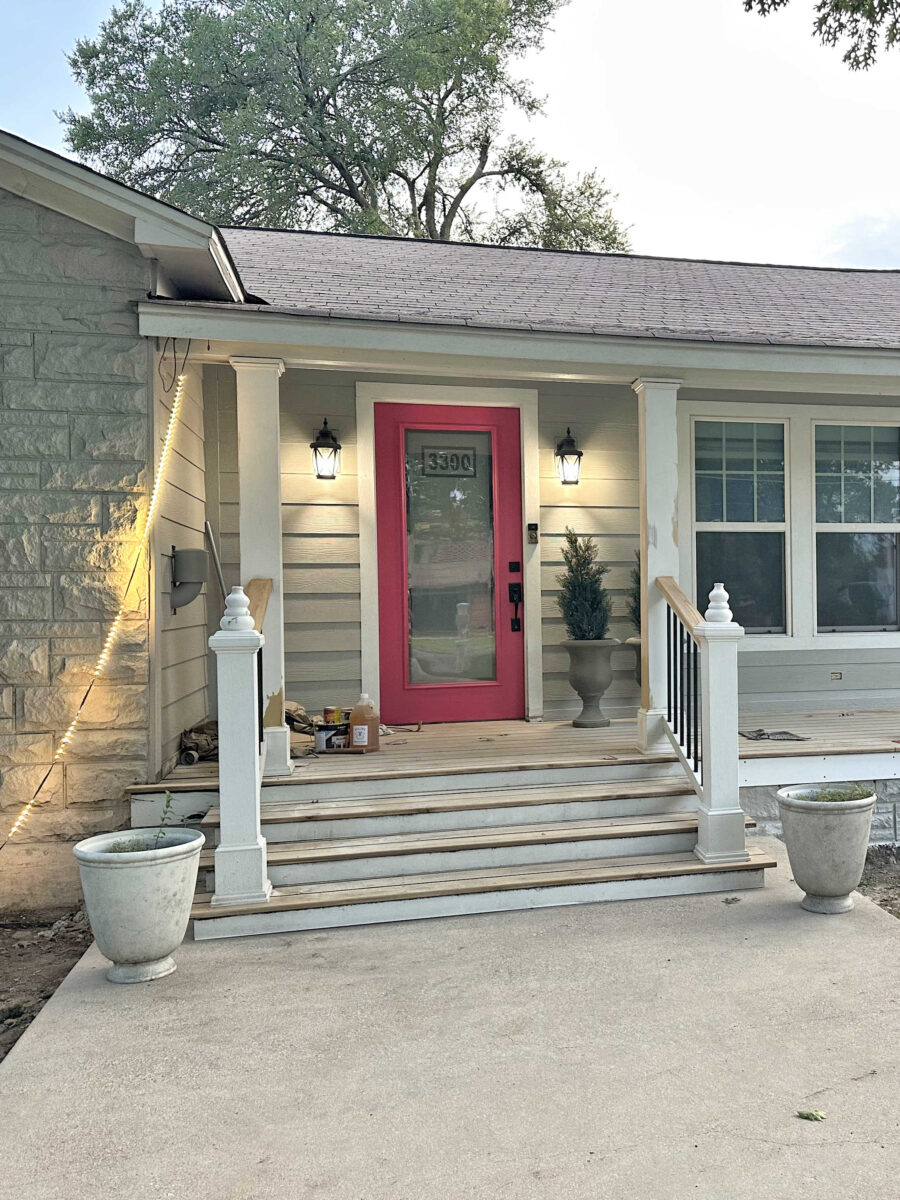
So I’m going to have to improvise a little bit and find another place to display it. I usually don’t like metal ornaments of any kind on the front of a house. Here in Texas, i.e., The Lone Star State (where we’re very proud of our state 😀 ), you’ll see a lot of metal Lone Star decor on the front of houses. I love Texas, but I’ve never been a fan of the Lone Star decor. That’s just my personal taste. And I’ve never really been a fan of any kind of metal ornaments or plaques on a house. Again, it’s just a matter of personal taste.
But in this case, I’m going to make an exception. I’m really excited about finding the perfect spot for my “freedom flyer”, and I think it makes sense on our house. Our house was built in the late 1940s when the “freedom from debt” meaning was surging. And as an added bonus, Matt and I don’t have a mortgage. We paid off our house years ago. Plus, it’s a little bit of memorabilia from my grandparents’ home that I can display on our house. I’m so glad I learned the history of this “freedom flyer” and that it went from a random metal ornament that would make me think, “What am I going to do with this? I don’t want to throw it away, but I have no place for it,” each time I came across it, to now wanting to display it proudly on the front of our house somewhere because of its historical meaning and sentimental value.

Addicted 2 Decorating is where I share my DIY and decorating journey as I remodel and decorate the 1948 fixer upper that my husband, Matt, and I bought in 2013. Matt has M.S. and is unable to do physical work, so I do the majority of the work on the house by myself. You can learn more about me here.